

Inside Erin Armstrong's Mind

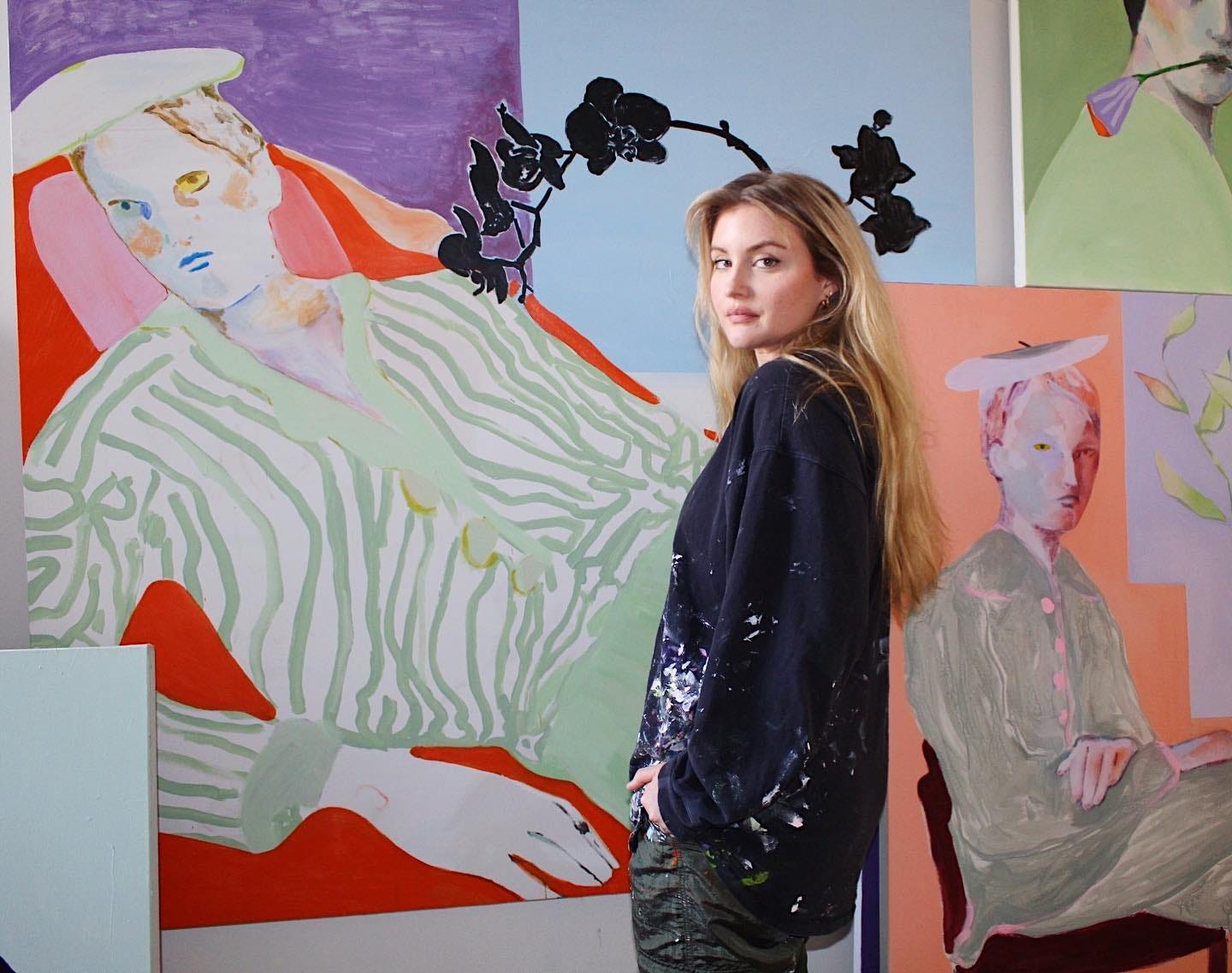
Some artists use painting to depict the world as they see it. Erin Armstrong, by contrast, paints the world as we experience it. Her works are not portraits of specific people or recognizable places; they are emotional landscapes where memory, imagination, and feeling merge into images that seem to emerge directly from the subconscious. Every figure inhabits not so much a physical space as a state of mind.
Born in Canada in 1990 and based in Toronto, Armstrong followed a path that differs from many of her contemporaries. She studied History at Dalhousie University and, for a time, was unsure whether painting could become a full-time career. Yet creativity had always been woven into her everyday life. Her mother painted, her father was an avid photographer, and her sister worked in the film industry. Art was never presented as an obligation—it was simply part of the language of home. That freedom allowed Armstrong to develop a distinctive visual voice, one that feels refreshingly independent of academic conventions.
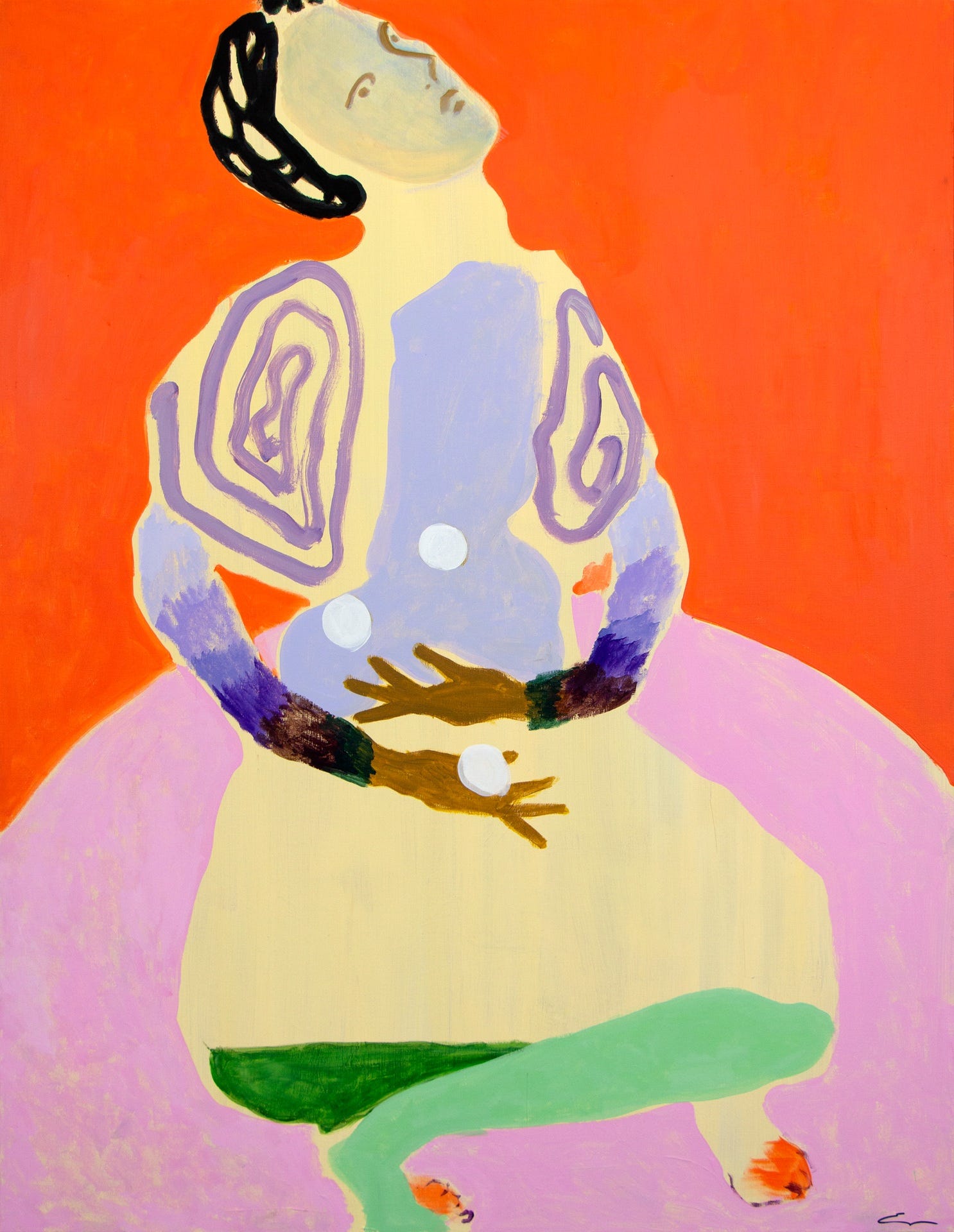
The turning point came in 2014 when she exhibited at The Artist Project in Toronto. The response was immediate, with nearly every painting finding a collector. That success opened the door to galleries and international exhibitions, but Armstrong has often emphasized that her career was built gradually rather than overnight. Years of quiet studio practice came before wider recognition, and some of her earliest opportunities arose because curators remembered her work long after first encountering it. Patience and persistence remain defining elements of her journey.
What makes Armstrong’s work particularly compelling is her refusal to think of the human figure as portraiture. The people who populate her canvases are not individuals with biographies but emotional presences. She has spoken about her fascination with the mind’s ability to construct entire worlds by blending memories, lived experiences, and imagined images. That idea lies at the heart of her practice. Her figures feel strangely familiar precisely because they emerge from a place we all recognize: the imagination.
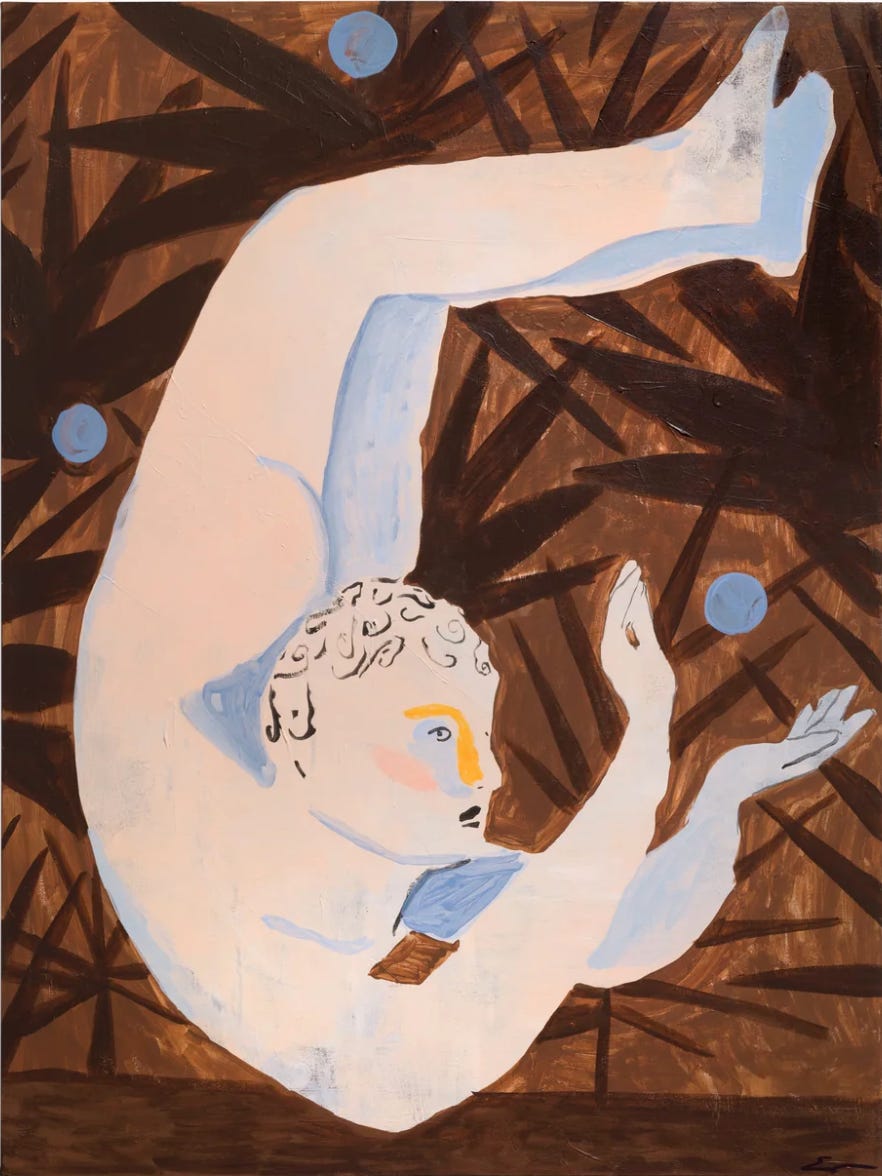
This is why her paintings often read like psychological maps. Faces dissolve into abstract forms, bodies shift in scale, plants spread across impossible interiors, and everyday objects appear without any obvious narrative logic. Everything seems to exist in a state of continuous transformation, much like memory itself. Rather than telling a fixed story, Armstrong creates open-ended visual experiences that invite viewers to bring their own emotions and interpretations to the work.
Her intuitive approach extends to the way she paints. Although her compositions appear remarkably assured, they rarely begin with a rigid plan. Quick sketches, spontaneous marks, and loose gestures form the foundation before evolving over weeks of careful revision. Layers of acrylic, graphite, and charcoal are continuously added, erased, and rediscovered. Early marks often remain visible beneath later ones, allowing each painting to preserve the memory of its own making. The finished work becomes a record not only of an image but of the thinking process behind it.
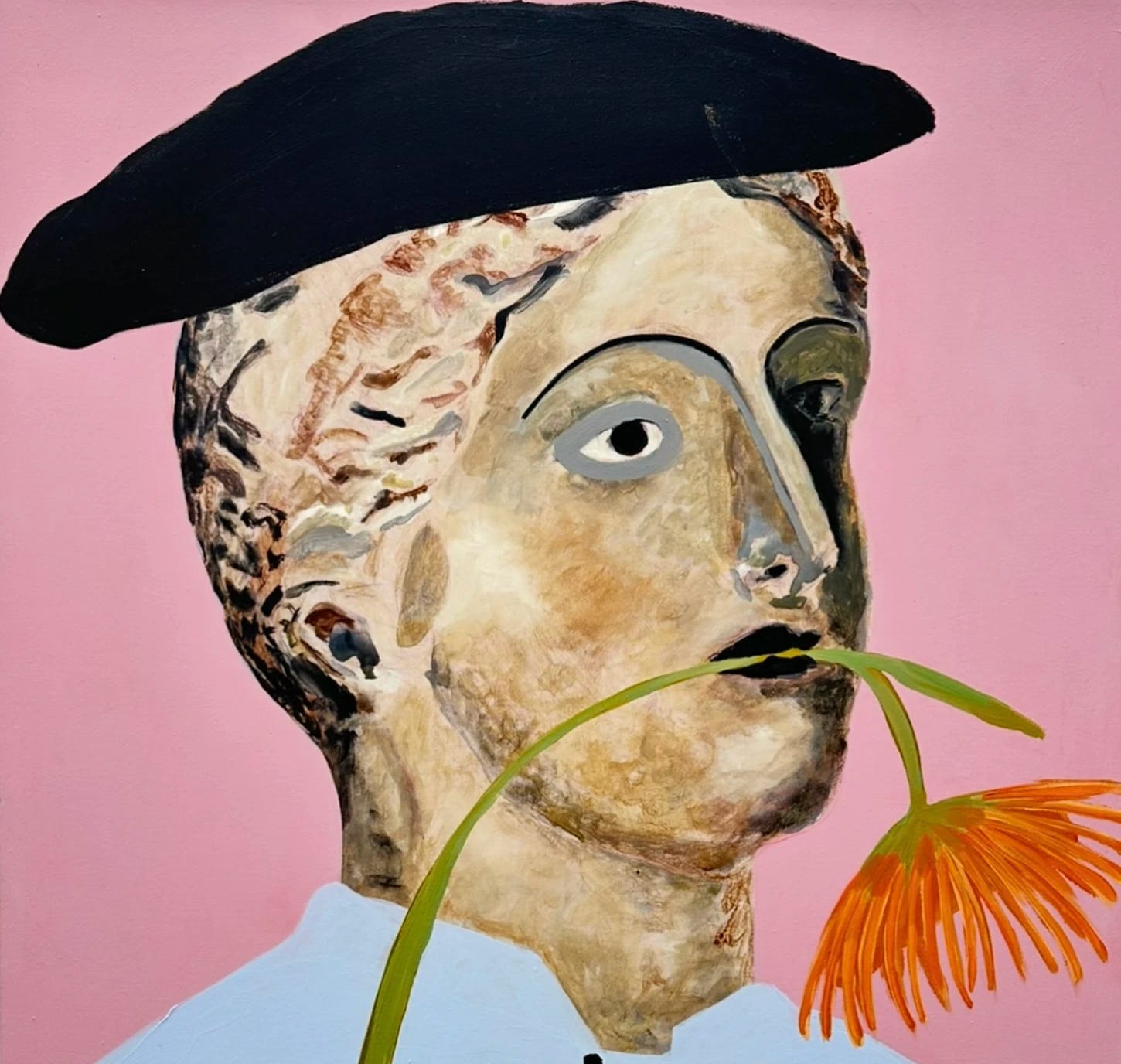
A delicate balance between control and accident is central to Armstrong’s practice. She has often described enjoying those moments when an unexpected brushstroke or accidental mark forces the composition in a new direction. Instead of correcting these surprises, she embraces them, allowing chance to become an active collaborator. That openness gives her paintings a remarkable sense of vitality, as though they are still evolving before the viewer’s eyes.
Color plays an equally important role. Dusty pinks, electric blues, acidic greens, warm yellows, and earthy neutrals coexist without seeking conventional harmony. Rather than describing the visible world, color becomes an emotional language of its own. Some paintings radiate calm while others pulse with tension, yet every palette feels driven by feeling rather than decoration.
Flowers, animals, and botanical forms appear throughout Armstrong’s work, but they are never simply ornamental. They function as open-ended symbols of transformation, vulnerability, and renewal. In some of her more recent series, these natural motifs also hint at concerns about humanity’s relationship with the environment, subtly touching on climate change without becoming overtly didactic. She prefers beauty to lead viewers toward reflection rather than delivering a direct message.
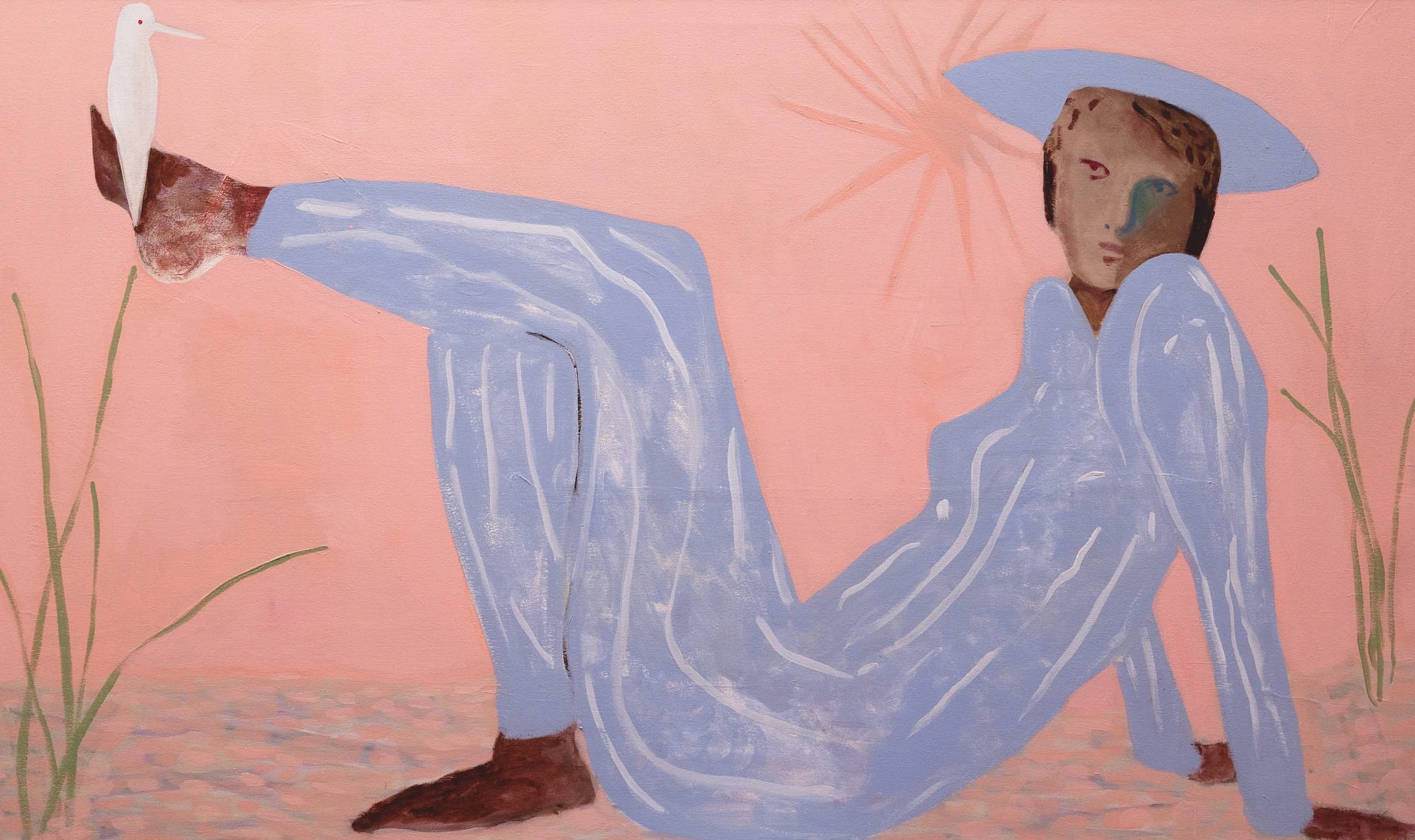
Perhaps this is what makes her work so memorable. In an age overwhelmed by speed and endless streams of images, Erin Armstrong creates paintings that demand time. They resist instant interpretation and refuse definitive meanings. Instead, they encourage us to slow down, to look again, and to discover something new with every encounter.
Her paintings suggest that contemporary portraiture no longer needs to reproduce a face in order to reveal a person. Instead, it can explore memory, identity, and the invisible emotional landscapes we all carry within us. Erin Armstrong paints precisely that unseen territory. And perhaps that is why her work lingers in the mind long after we leave it behind: although we have never visited these places or met these people, we recognize them as fragments of our own imagination.
Erin is one of my favorite artists of this generation. There is such incredible depth and life in her work
erin the queen